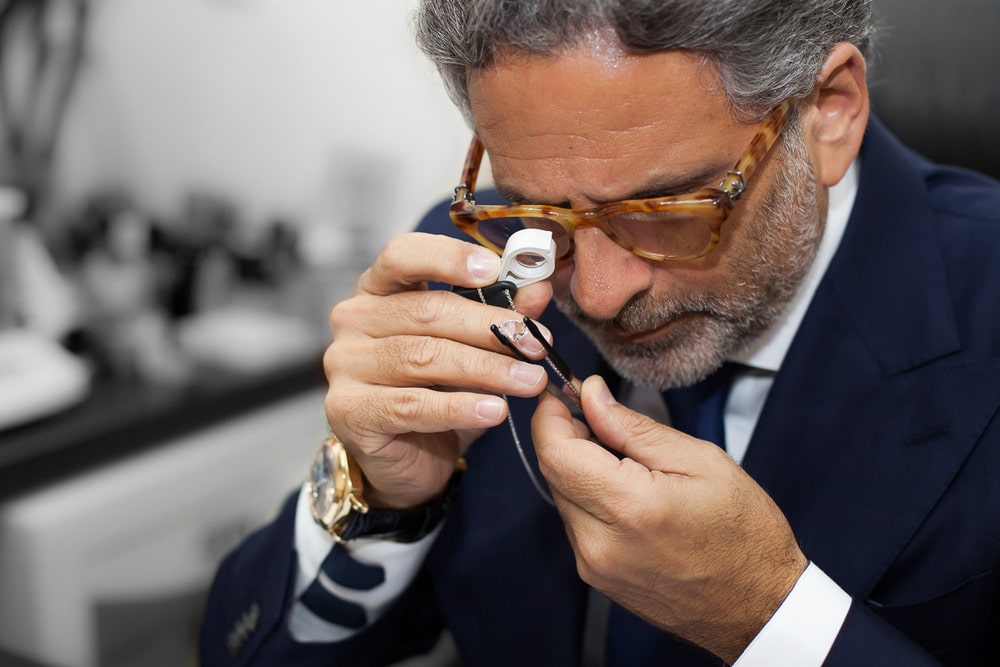
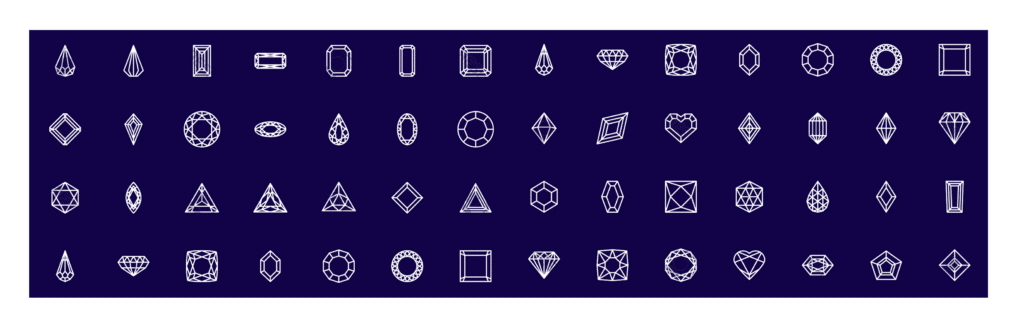
A precious stone’s appearance when viewed from the front is called its shape. Many people carefully consider a diamond’s shape when making a purchase. The shape refers to the physical form and geometric parameters of the jewel. A guide to diamond shapes can be helpful in determining which shape is best.
As technology advanced, diamond cuts became more varied and intricate, leading to the creation of the brilliant cut diamond. This type of diamond is known for its ability to reflect a great deal of light, giving it a fiery and sparkling appearance. This is why it is highly recommended by diamond experts.
Being perfectly cut, all diamond shapes possess their own beauty and allure. Some of them are classic, while the others are fancy (like oval, heart, and princess shapes). The exact choice depends on your taste and the jewelry type wanted.
Do Diamond Shapes Mean Different Cuts Of Diamonds?
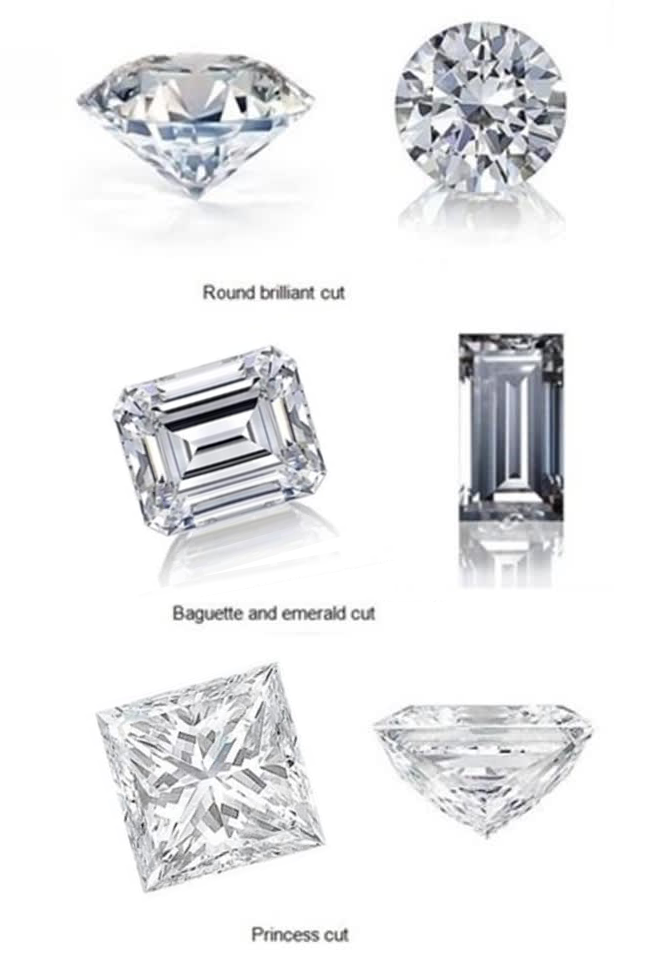
Many people confuse the terms “cut” and “shape” when it comes to diamonds, thinking they mean the same thing. In reality, the cut of a diamond refers to its ability to reflect light, while the shape refers to the physical form of the diamond after it has been cut and polished. Despite this, the mistake is so common that even professionals sometimes use the term “diamond cut” to refer to the shape of a diamond. It is important to distinguish between these two terms, as using “diamond cut” to refer to the shape of a diamond is a serious error.
Difference Between Diamond Shape And Diamond Cut
When choosing the best diamond shape, it`s important to understand the difference between diamond shape and diamond cut. The diamond shape refers to the overall outline or appearance of the diamond, such as round, heart, or cushion. Each shape has its own unique look that can enhance your style and complement your finger. In contrast, the diamond cut refers to how well the diamond is crafted, including its facets, symmetry, and reflective qualities. For example, a heart-shaped diamond can have varying cuts that affect its brilliance and sparkle, but it will still retain its heart shape regardless of the cut quality.
To find the ideal diamond for your needs, start by selecting the shape you prefer. Once you have chosen a shape, focus on finding that shape with the best possible cut to ensure maximum beauty. A well-cut diamond will reflect light beautifully and appear more vibrant. Understanding these differences will help you make an informed decision and choose a diamond that truly represents your style and preferences.
3 Main Cuts Of Diamonds
There are 3 different cuts of diamonds that classify all the diamond shapes:
- Round brilliant cut diamond. A classic and most popular cut on the diamond market. First, the stone is cut as a round diamond. Then, it can get other shapes or remain round-shaped. Examples: Round shape, Pear shape, Marquise cut, Oval shape, Heart shape.
- The step cut is a diamond cutting style in which the diamond has a shape that resembles the steps of a staircase. Examples of this style include the Asscher cut and the Emerald cut.
- The mixed cut is a combination of classic and step-cut facets. Examples of diamonds that fall under this category include the Radiant shape, the Cushion cut, and the Princess cut.
Before making a selection from the numerous available options, it may be helpful to first narrow down the choices by selecting one of the three cutting styles. This will make the task of selecting the exact diamond much easier.
Cut Category #1: Round Brilliant Cut Diamond
Round
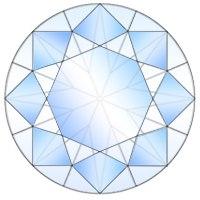
It has the greatest popularity. It’s easy to find around 75% of all the diamonds eligible for sale are round-shaped.
The Round shape diamond is known for its perfect proportions and has become the standard in the diamond industry. It is highly prized for its excellent brilliance, fire, and scintillation.
Recommendation from Diamond Registry jeweler: These classic shapes of diamonds are universal and fit any jewelry type.
Pear
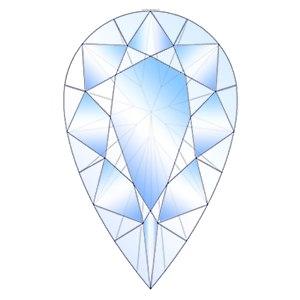
In the line of different cuts of diamonds, a pear shape is a fancy form. This diamond is clear as a teardrop and has a hypnotic effect that allows nobody to stay indifferent.
The Pear shape diamond is a unique combination of the Oval cut and the Marquise cut, making it an alternative to the Round brilliant cut. It is highly prized for its excellent sparkle and perfect symmetry.
Recommendation from Diamond Registry jeweler: Pear diamonds look great in pendants and earrings.
Marquise
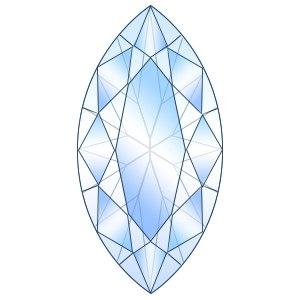
The Marquise cut diamond is a particularly striking choice among the various diamond shapes. It features a curved middle section and sharpened ends, giving it a highly interesting and imaginative form.
This diamond has a unique structure that is useful for disguising a small carat weight, making it appear larger due to its elegant tapering points on either side.
Recommendation from Diamond Registry jeweler: Marquise cut suits various ring shapes, making a finger elongated.
Oval
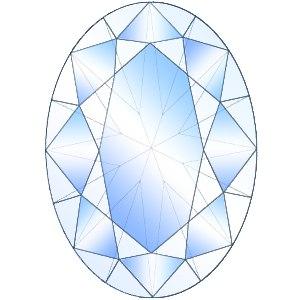
Different diamond cuts are claimed to be Oval, but the true Oval shape is perfectly symmetrical. If it’s made right, a diamond becomes fiery and exceptional.
What makes this special: This diamond cut has the perfect brilliance of a Round diamond. The only difference between this diamond and a Round diamond is the elliptical form of the Oval shape, which makes the diamond appear larger and elongates fingers.
Recommendation from Diamond Registry jeweler: Oval shape is always a good idea because it fits any ring shapes.
Heart
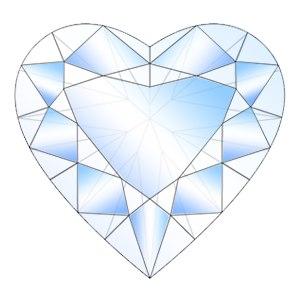
Different cuts of diamonds can create a love stone, but heart-shaped diamonds intensify this message a hundred times.
The Heart shape diamond is a rare choice due to the difficulty in achieving flawless cuts. It requires a high level of skill and precision to create a perfect Heart diamond, with only a professional being able to successfully cut a Round brilliant diamond in this way.
Recommendation from Diamond Registry jeweler: Heart-shaped cuts of diamonds are the universal symbol of love when featured in an engagement ring. To get the best of this cutting, go for the time-proved Claddagh design.
Cut Category #2: Step-Cut Diamond Shapes
Asscher
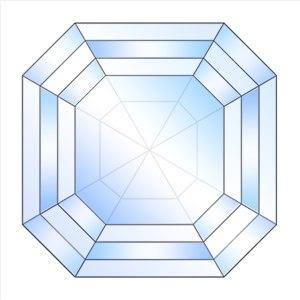
Step-cut diamonds were invented in 1902 and immediately gained popularity for their majesty and sophistication. The Asscher cut has an octagonal shape with 74 facets.
What makes this diamond shape special: Among all the step-style cuts of diamonds, this diamond shape generates the most brilliance.
Recommendation from Diamond Registry jeweler: Asscher is a great choice for a solitaire setting and vintage jewelry.
Emerald
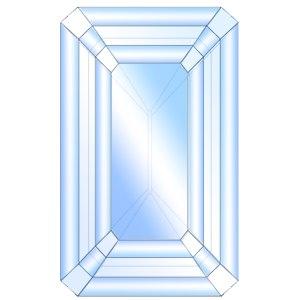
Emerald cut is fancy and can come in various types of shapes, including a rectangular or square diamond. They have less fire than a Round brilliant cut diamond but create longer flashes of light.
When choosing an Emerald-cut diamond, it is particularly important to select a high clarity grade as the cut of this diamond shape tends to make inclusions and flaws more visible. Additionally, the reflective facets of this cut can intensify the color grade, so it is important to be mindful of this when making a selection.
Recommendation from Diamond Registry expert: Choose Emerald shape for a stone of perfect clarity and color grades. Also, don’t let the jeweler experiment with different cuts of diamonds on it. Only perfect parameters work for Emerald shape.
Cut Category #3: Mixed-Cut Diamond Shapes
Radiant
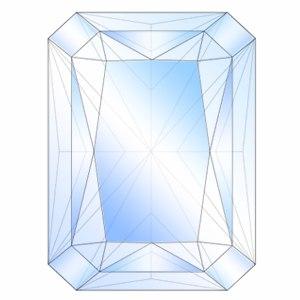
Within the mixed cut diamond category, the Radiant shape is easily recognizable due to its cut corners.
The Radiant cut diamond combines the best of both the Round and Emerald cuts, retaining the brilliance of the former and the elegance of the latter. The cutter creates a customized facet pattern on the crown and pavilion that enhances the diamond’s dazzling brilliance.
Recommendation from Diamond Registry jeweler: This diamond shape reveals its best in a diamond of great carat size.
Cushion
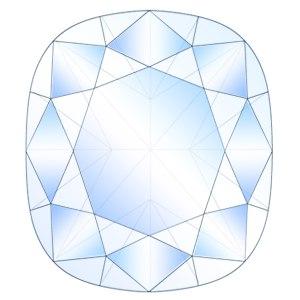
This cut has large facets and round corners. Many people call it “a pillow diamond” because of its square form and fiery appearance.
What makes this special: A Cushion diamond is a combination of square and round outlines. This unique fancy cut evokes romantic feelings.
Recommendation from Diamond Registry jeweler: This shape looks great in any setting. It is perfect for diamond engagement rings, being called a ‘candlelight diamond’.
Princess
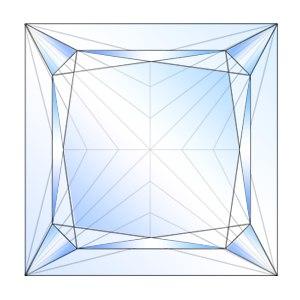
This square diamond appeared as an independent cut only recently. Nevertheless, it has become a hit pretty fast: now, the princess shape is the second popular form in the world.
What makes this special: The faceting style of this square diamond is similar to a round brilliant diamond cut, but with triangular- and kite-shaped edges radiating from the center.
Recommendation from Diamond Registry jeweler: Princess diamond makes every woman feel special and unique just like a princess. A perfect choice for an engagement ring!
Finding The Perfect Diamond Shape For Different Finger Types
Selecting the ideal diamond shape and size is crucial for achieving a flattering and elegant look. This guide will help you understand how different diamond cuts can enhance your finger shape and ensure your choice complements your personal style.
1. Ideal Diamond Shapes for Wider or Longer Fingers
When choosing a diamond shape, consider what looks best on your fingers. If you have wider or longer fingers, go for shapes like oval, emerald, or marquise cut diamonds to create balance and elongation. These shapes can make your fingers appear more slender and elegant.
2. Ideal Diamond Shapes for Small Fingers
If your fingers are small or short, opt for diamond shapes that improves your overall look without overwhelming your hand. Round cut diamonds work well, providing classic sparkle and beauty. You can also consider shapes like pear and princess cut for a balanced look that accentuates your fingers’ natural beauty.
3. Universal Beauty of Round Diamonds
Round cut diamonds are universally admired for their timeless appeal and brilliant sparkle. They are versatile and suitable for any hand shape and setting, making them a popular and reliable choice for many, regardless of whether you prefer a traditional or modern style.
Additional Tips For Choosing The Right Diamond Shape
- Think about your lifestyle: Pick diamond shapes that fit your daily activities; round or cushion cuts are strong, while delicate shapes like pear or heart may need more care.
- Choose the right setting: A halo setting can make smaller diamonds look bigger, while a solitaire setting should match the diamond shape; trying different settings can help you find a unique look.