
When you are out shopping for diamonds or diamond jewelry, you will come across the terms ideal cut and fine cut often. So, what does ideal cut and fine cut mean, and what is the difference between them. In this post, we will discuss in brief about the difference between the ideal cut and fine cut.
What makes us your trusted partner
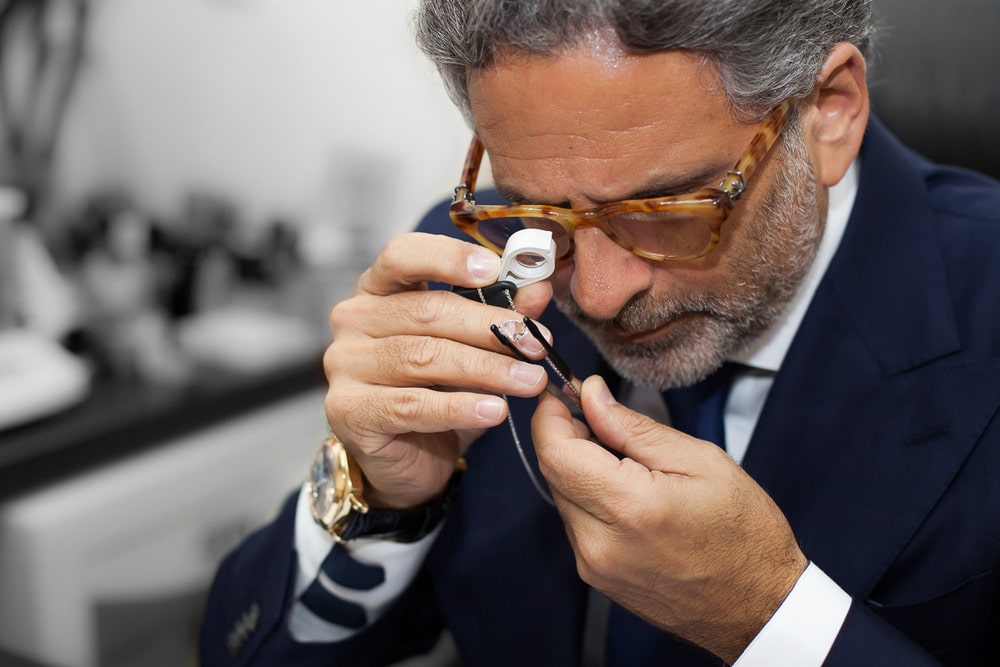
With over 40 years of expertise, Diamond Registry’s CEO and owner, Nissan Perla, is your trusted guide in the diamond-buying world. Recognized by prestigious publications like The Washington Post and Chicago Tribune, Nissan’s extensive knowledge and experience in evaluating, buying, and selling diamonds are unparalleled. Our commitment to integrity, transparency, and delivering exceptional value ensures that you make an informed decision when acquiring your timeless treasure. Choose Diamond Registry for personalized guidance, education, and a curated selection of the finest quality diamonds, backed by decades of industry expertise and dedication to your satisfaction.
Why Is Diamond Cut Important?
The cut of a diamond is crucial because it directly influences the stone’s brilliance, sparkle, and overall beauty. A well-cut diamond can maximize light reflection, enhancing its visual appeal. When you look at a diamond, its cut determines how well it captures and reflects light, which is essential for creating that captivating sparkle that many seek in a gemstone. Therefore, understanding the differences between various cuts, such as ideal and fine cut, helps consumers make informed choices that align with their preferences and expectations.
Cut Grade: Definition And Scale
Cut grade is a systematic assessment that measures how effectively a diamond’s facets interact with light. This grading helps buyers understand the diamond’s brilliance and overall quality.
The Gemological Institute of America (GIA) employs a grading system that includes categories like Excellent, Very Good, Good, Fair, and Poor:
- Excellent: These diamonds reflect a lot of light, making them very brilliant and sparkly.
- Very Good: These diamonds let out a little light, but they still look very shiny and fiery.
- Good: These diamonds reflect most of the light that goes into them but are not as brilliant as the higher grades.
- Fair: These diamonds reflect some light but not enough to make them as brilliant as the higher-quality cuts.
- Poor: These diamonds let most of the light go through them, so they don’t sparkle as much.
Although GIA and the American Gem Society (AGS) have slightly different grading systems, both aim to provide a thorough evaluation to help consumers choose diamonds that meet their quality and budget preferences. The AGS uses a 0 to 10 scale, where a score of 0 indicates an ideal cut, further emphasizing the importance of cut quality.
Ideal Cut
The term ideal cut is used to refer to diamonds that have the proportions that conform to the ideal standard. If you are buying diamonds in the USA, the term ideal cut will mean that the diamond has been cut to proportions that are listed in the American Standard for diamond proportions. It was in the year 1919 when the ideal cut was created and it has been used to evaluate diamonds since then.
Fine Cut
The term fine cut or Practical Fine cut is a diamond cut standard created in 1939 in Germany. The fine cut proportion standard is widely used in Europe. This means ideal cut and fine cuts are benchmarks or standards that are used in different parts of the world.
Ideal Cut Vs Fine Cut
Even though the ideal cut used in America and the fine cut used in Europe are proportion standards that have been set to ensure maximum brilliance, there are a few differences in their recommendations. Most of the differences are insignificant; however, there are two differences that you should be aware of. Some of the major differences in ideal cut and fine cut are discussed below.
Crown Height
In the American ideal cut standard, the crown height of the diamond has to be about 16.2 percent of the girdle. In the European fine cut standard, the crown height recommended is only 14.4 percent.
Table Diameter
In the ideal cut, the recommended table diameter is 53 percent of the girdle whereas, in fine cut, the table diameter that is recommended is 56 percent.
To further illustrate the differences between ideal cut and fine cut diamonds, the following table summarizes their key features:
| Feature | Ideal Cut Diamonds | Fine Cut Diamonds |
| Face-up Appearance | Brighter and more balanced appearance | May appear less bright and less balanced |
| Cut Standards | Follow the precise proportions for maximum brilliance | Based on European specifications that differ slightly from ideal cut |
| Light Reflection | Reflects the majority of light, resulting in high brilliance and sparkle | Reflects light effectively but may not achieve the same level of sparkle |
| Visual Appeal | Highly desirable due to optimal light performance | Still attractive but with less emphasis on maximum light reflection |
The Role Of Certification In Cut Grading
Certification plays a vital role in ensuring the quality and value of diamonds, particularly regarding their cut. Reputable organizations like the GIA and AGS set the standards for grading diamond cuts, which helps consumers trust the quality of their purchases.
GIA Standards
The GIA categorizes diamonds into grades ranging from Excellent to Poor. A diamond awarded an Excellent cut grade signifies that it has been crafted to meet stringent criteria for proportions, symmetry, and polish, ensuring superb brilliance.
AGS Standards
The AGS employs a 0 to 10 scale, where 0 represents an Ideal cut, signifying the diamond has been cut to precise proportions for maximum light performance.
Both grading systems consider the 4Cs cut, clarity, color, and carat weight but the cut grade significantly impacts a diamond’s optical efficiency. This certification process helps consumers make informed decisions when selecting between ideal and fine cut diamonds, emphasizing the importance of cut quality in enhancing a diamond’s allure.
Check The Loose Diamond Prices
The differences between ideal cut and fine cut diamonds lie in their standards, impact on appearance, and how they perform with light. Understanding these differences is essential for making an informed choice that aligns with personal preferences and desired aesthetics. By considering cut grade, appearance, and certification, buyers can ensure they select a diamond that meets their expectations for beauty and brilliance. Diamond Registry provides you with a diamond price list which shows an average of the current market pricing trends for wholesale certified loose diamonds.