But, virtually all diamonds are still bought as gifts of love, and for
emotional reasons.
De Beers sold a number of its mines in South Africa and lost market share.
But, it is still the biggest company in the market and largely controls
how prices are set, and an E.C. decision which prevented them from buying from
Alrosa was voided by an appeals court.
Diamond prices increased in the United States.
But, for overseas shoppers, they declined, because of the weak dollar.
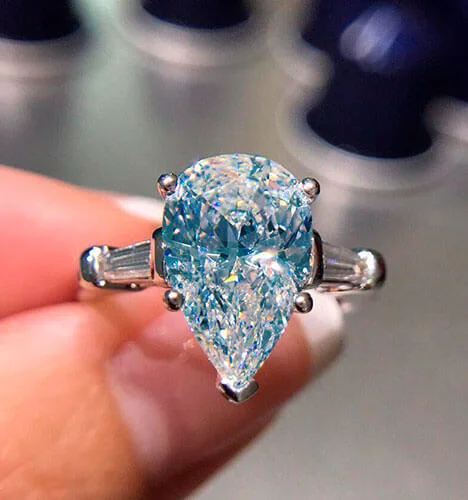
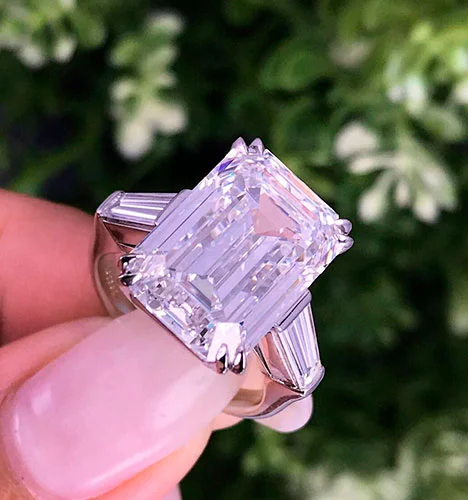
There were record prices set at auction, including for flawless and blue
diamonds at Sotheby’s and Christie’s this fall.
But, other parts of the market did not set records.
The Internet became a major player in the jewelry market and showed
tremendous growth.
But, still less than five percent of diamond sales are conducted online.
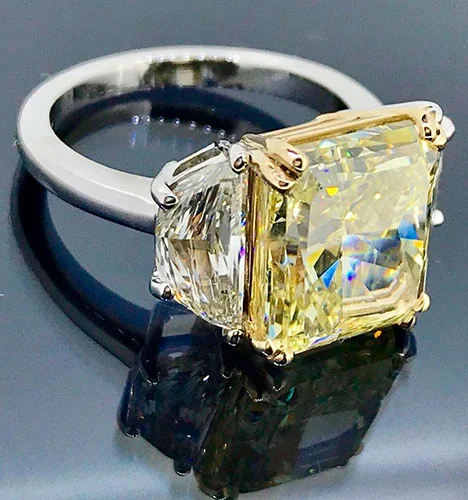
More color– and clarity- treated and synthetic fancy colored stones were
introduced into the market.
But, this hasn’t hurt the prices of natural fancy colored stones, and
the proof is how colored diamonds continued to set records this year at auction.
De Beers continued to go into retail, opening more stores in the United
States.
But, other retailers, like Tiffany and Harry Wintson, got involved in
diamond mining.
But, while the price of larger diamonds increased about 30% over the
year, the price of small diamonds has remained stable.
In the aftermath of the "Blood Diamond" movie, the issue continued
to get publicity.
But, more than 99% of all diamonds are conflict-free, and for most
consumers, it is not an issue, although some buyers like Canadian stones.